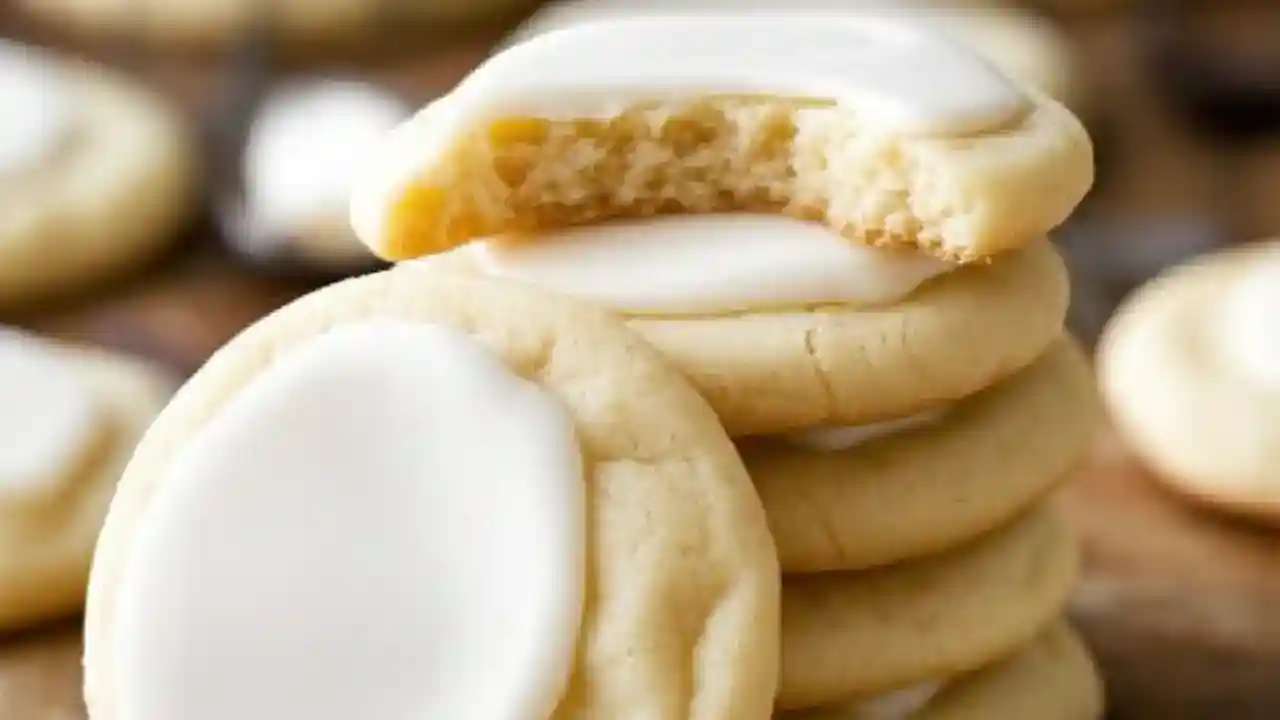
The Irresistible Allure of Perfectly Soft Sugar Cookies
Few treats evoke as much comfort and nostalgia as a classic sugar cookie. While elaborate, intricately decorated cut-out cookies have their place, there's an undeniable charm and satisfaction in a simple, perfectly crafted soft sugar cookie. Imagine a cookie that's tender and moist in the center, with a delicate crispness kissed by golden edges – a pure, unadorned delight that melts in your mouth. Often, the desire for this blissful texture strikes when time is short, and the fuss of frosting and sprinkles feels like too much. This guide is your secret weapon to achieving that coveted melt-in-your-mouth softness, focusing on the critical roles of butter, eggs, and the absolute cardinal rule of avoiding the dreaded overbake.
While many recipes aim for a crisp, sturdy cookie ideal for decorating, our focus here is squarely on supreme softness. We're talking about a cookie ready in under an hour, using common pantry staples, that delivers maximum flavor and an unbelievably tender texture. If you're Craving Soft Sugar Cookies? Bake This Easy, Fast Recipe Now! and ready to discover the magic, read on.
The Foundational Difference: What Makes a Sugar Cookie Soft?
Before diving into specific ingredients and techniques, it's crucial to understand the fundamental difference between a truly soft sugar cookie and its firmer, often snappier counterparts. The secret lies primarily in two areas: the moisture content within the dough and the delicate balance of its structural components. A higher ratio of certain fats and liquids, combined with specific leavening agents and careful baking, all conspire to create that cloud-like texture we crave.
Unlocking the Moisture: Butter, Eggs, and Beyond
The journey to an exquisitely soft sugar cookie begins long before the dough hits the oven. It's all about the ingredients you choose and, more importantly, their proportions. These cookies aren't merely soft by accident; they're engineered for tenderness through a strategic combination of key elements.
The Mighty Role of Butter
Butter isn't just for flavor; it's a primary architect of softness. Our ideal soft sugar cookie recipe boasts a higher butter-to-flour ratio than many traditional sugar cookie recipes. Here's why that's crucial:
- Fat for Tenderness: Butter is a fat, and fat interferes with gluten development in flour. Gluten, when overdeveloped, can make baked goods tough or chewy. By having more butter, we're naturally limiting the amount of gluten that forms, resulting in a more tender crumb.
- Moisture Provider: While it might seem counterintuitive, butter, with its water content, contributes significantly to the overall moisture in the dough. As it melts during baking, it leaves behind pockets that contribute to a softer, more delicate texture.
- Richness and Flavor: Beyond texture, butter infuses the cookies with an unparalleled richness and depth of flavor that's hard to replicate.
Always ensure your butter is at room temperature before creaming with sugar. This allows it to incorporate air effectively, creating a light, fluffy base that will lead to a more tender cookie.
Eggs: The Binding and Softening Agents
Eggs are another cornerstone of softness in these cookies. While some recipes might use just one egg or even an egg yolk, our recipe often calls for two whole eggs. Their contributions are multi-faceted:
- Added Moisture: Eggs are mostly water, providing essential moisture that keeps the cookies from drying out and becoming crumbly.
- Emulsification and Binding: The lecithin in egg yolks acts as an emulsifier, helping to bind the fat and water components of the dough together smoothly, resulting in a more cohesive and tender texture.
- Structure and Richness: Eggs contribute to the cookie's overall structure without making it tough, and their yolks add a beautiful richness and subtle golden hue.
Like butter, using room temperature eggs is vital. Cold eggs can cause the butter to seize up, leading to a less uniform dough and potentially affecting the final texture.
Baking Powder: The Lift for a Cakey Texture
To further enhance that coveted soft, almost cakey texture, baking powder plays a critical role. Unlike baking soda, which often needs an acid to react, baking powder is a complete leavening agent that reacts with moisture and heat. It produces carbon dioxide gas, creating tiny air pockets within the dough as it bakes. These pockets contribute to the cookie's lightness and tenderness, preventing it from becoming dense or flat. It's the secret behind that delightful "lift" that makes them so satisfyingly soft.
The Impact of Cookie Size
Believe it or not, the size of your cookies significantly influences their final texture. When aiming for softness, larger cookies are often preferable. Using a 1/3 cup scoop, for example, creates substantial cookies. Because these larger cookies take longer to spread and bake through in the oven, their centers remain beautifully soft and chewy while the edges develop just a hint of crispness. Smaller cookies, by contrast, will bake faster and are more prone to drying out if not carefully monitored.
The Golden Rule: Perfect Baking Without Overbaking
You've meticulously chosen your ingredients, perfected your ratios, and mixed your dough with care. Now comes perhaps the most critical step in achieving perfect soft sugar cookies: the baking process itself. All your efforts can be undone in a matter of minutes if you're not vigilant. The golden rule here is simple but paramount: do not overbake.
Reading the Cues: When to Pull Them Out
Knowing exactly when to remove cookies from the oven is a skill developed through observation. For soft sugar cookies, it's less about achieving a deep golden-brown all over and more about subtle visual cues:
- Edges Just Set: Look for the very edges of the cookies to be just barely set and perhaps very lightly golden.
- Centers Still Look Soft: The centers should still appear slightly puffed and soft, not fully firm or dry. They might even seem a little underdone.
- No Dark Browning: Avoid any significant browning on the tops or centers.
The moment you see those first hints of golden color around the edges, it's time to act. Every oven is different, so learning your oven's nuances is key. It's also worth investing in an oven thermometer to ensure your oven is truly at the temperature you set.
The Magic of Carryover Baking
This is where many bakers go wrong. Cookies, especially larger ones, continue to cook even after they've been removed from the hot oven. This phenomenon, known as "carryover baking" or "residual heat cooking," means that if you wait until they look perfectly done in the oven, they will be overbaked by the time they've cooled. By pulling them out when they appear slightly underdone, you're allowing this residual heat to finish the baking process on the hot baking sheet, resulting in those wonderfully soft, tender centers and delicately crisp edges.
Leave the cookies on the baking sheet for 5-10 minutes after removing them from the oven. This allows them to firm up enough to be transferred without breaking, while also continuing to bake ever so slightly.
Adjusting for Cookie Size
As mentioned earlier, larger cookies take longer to bake. If you choose to make smaller cookies, perhaps using a 2-tablespoon scoop, you'll need to significantly reduce the baking time. Keep a close eye on them, as smaller cookies can go from perfectly soft to disappointingly dry very quickly.
Mastering Your Dough: Prep, Tips, and Troubleshooting
While the ingredients and baking time are primary drivers of softness, thoughtful dough preparation and smart techniques can elevate your soft sugar cookies from good to extraordinary.
Room Temperature is Non-Negotiable
We've touched on this, but it bears repeating: for truly soft and evenly textured cookies, ensure your butter and eggs are at room temperature. This allows them to cream together seamlessly, incorporating more air and creating a homogenous mixture. If you're short on time, cut butter into small pieces to speed up softening, and place eggs in a bowl of warm (not hot) water for 5-10 minutes.
Mixing by Hand: An Option for Everyone
Don't have a stand mixer or a handheld electric mixer? No problem! You can absolutely achieve fantastic results mixing your dough by hand. The key is patience and technique:
- Creaming Butter and Sugar: Start by combining softened butter and sugar with a sturdy wooden spoon. Once mostly combined, switch to a whisk or fork and vigorously "whisk" the mixture, much like you would scramble eggs. Continue for 5-7 minutes until the mixture is visibly pale and creamy. This aeration is crucial.
- Adding Eggs and Vanilla: Incorporate eggs one at a time, mixing well after each addition until fully combined. Finish by stirring in the vanilla extract.
The Sparkle and Crunch: Rolling in Sugar
An optional, but highly recommended, step for these soft sugar cookies is rolling the scooped dough balls in granulated sugar before baking. This takes mere seconds but adds a delightful layer of texture – a satisfying crunch on the outside – and a beautiful sparkle that makes them look as good as they taste. While your cookies will still be delicious without this step, it truly elevates the experience.
Planning Ahead: Storing Your Dough
Life gets busy, but that shouldn't stop you from enjoying fresh-baked cookies. This dough is incredibly forgiving and perfect for make-ahead convenience:
- Refrigeration: The dough can be prepared up to two days in advance. Simply store it in a bowl, tightly covered with plastic wrap, or in an airtight container in the refrigerator.
- Freezing Unbaked Dough: For longer storage, scoop the dough into balls and arrange them on a baking sheet. Freeze until solid, then transfer the frozen dough balls to an airtight freezer bag. They can be stored for up to three months. Bake them directly from frozen, adding 1 to 2 minutes to the standard bake time.
A Note on Cut-Out Cookies vs. Spreading Dough
It's important to clarify that this particular recipe, designed for supreme softness, is not intended for cut-out cookies. Due to its higher butter-to-flour ratio and focus on spreading for soft centers, this dough will lose its intricate shapes during baking. If your goal is beautifully decorated, sharp-edged cut-out cookies, you'll need a different recipe specifically formulated for that purpose. For a deeper dive into this distinction, check out our article Soft Sugar Cookies: Spreading Dough or Perfect for Decorating?
Conclusion: Embrace the Softness
Crafting the perfect soft sugar cookie is a truly rewarding experience, offering immediate gratification with minimal fuss. By understanding the critical roles of butter, eggs, and baking powder in creating moisture and tenderness, and by mastering the art of not overbaking, you can consistently achieve cookies that are soft, chewy, and utterly delicious. Whether you're in need of a quick comfort treat or a simple dessert to share, these unadorned beauties are sure to become a cherished favorite. So, go ahead, gather your ingredients, follow these secrets, and prepare to indulge in the pure bliss of a perfectly soft sugar cookie, fresh from the oven.
